
Google Just Said It: Stop Writing Top 10 Lists

Lily Ray, vice president of SEO and AI Search at Amsive, asked the question a lot of marketers were already thinking: did Google just tell CMOs to stop with the top 10 listicles?
Article Summary
- In a June 2026 Think with Google article for CMOs, Google said to prioritize a unique, first-hand perspective instead of generic content.
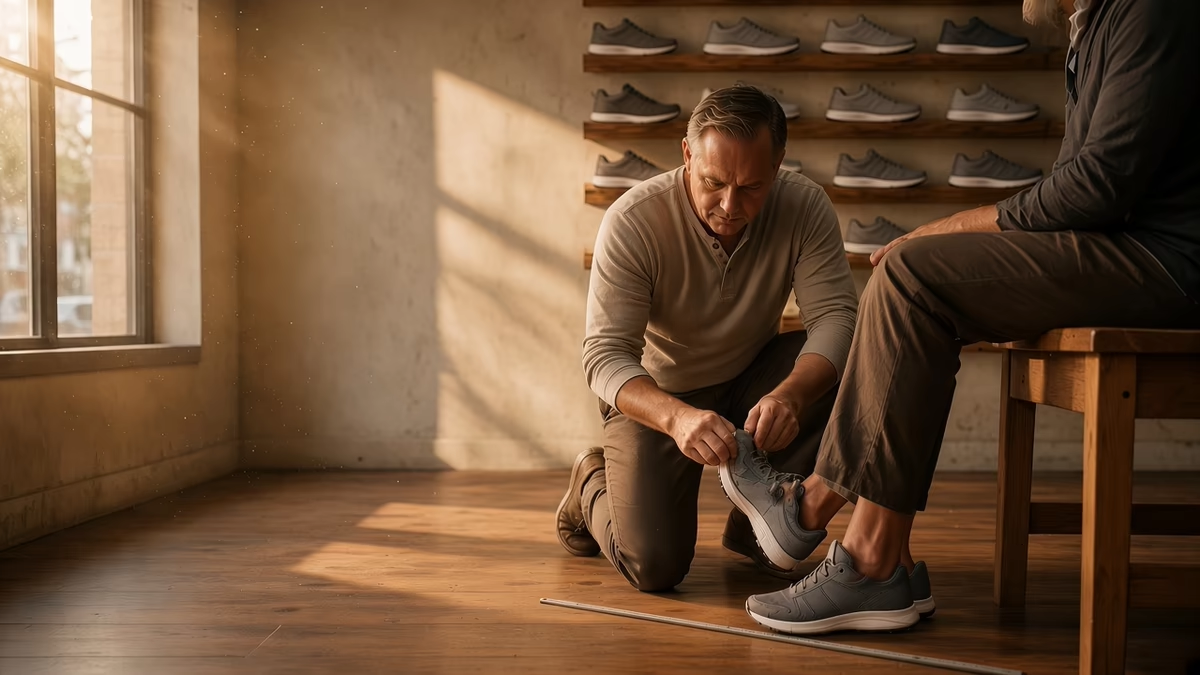
- The example is a running store: leave "Top 10 Things to Consider" behind and make a deep-dive video on why a customer's shoes collapsed.
- The official Search Central guide uses the same test, with a homebuyer list vs a sewer-line story. Glenn Gabe noted that Google named listicles, after presenting on this at SMX Next.
- The page only you could write is also the page reporters and AI answers can cite. See Get Quoted, Get Cited.
What Google actually said
On November 19, 2026, Think with Google posted about a June 2026 article by Brendon Kraham, titled "Good SEO is good GEO." Lily quoted it that night.
Glenn Gabe, an SEO and AI Search consultant at G-Squared Interactive who analyzes algorithm updates, followed on Friday morning with the running-store passage, noting that Google had mentioned listicles by name. He had just presented on commodity content at SMX Next on November 18.
The article is written for CMOs. Under a heading about generic content, Google wrote:
A local running store could create a deep-dive video analyzing why a customer's shoe collapsed instead of a generic "Top 10 Things to Consider …" article. This specific, unique content stands out and provides real, tangible value. It addresses a highly specific situation with advice that isn't a generic review anyone could have written. Think about the real-world stories and unique expertise your business offers. That's noncommodity content.
That is the source Lily was reacting to.
Google had already said the same thing in official channels. In April 2026, Danny Sullivan walked through commodity vs non-commodity content at Search Central Live in Toronto. Barry Schwartz reported the slides on Search Engine Roundtable on April 23. The running-store commodity example there was "Top 10 Things to Consider When Buying Running Shoes," with standard advice on sizing, arch support, and cushioning. The non-commodity version was a wear-pattern analysis: a deep-dive video of a customer's shoes after 400 miles, explaining why that gait caused the foam to collapse laterally.
In July, Google's Search Central guide on generative AI features in Search repeated the test. The commodity example there is "7 Tips for First-Time Homebuyers." The non-commodity example is "Why We Waived the Inspection & Saved Money: A Look Inside the Sewer Line."
The running store test
If another store in the next town could publish the same post tomorrow, it is commodity content. "Top 10 Things to Consider When Buying Running Shoes" fails that test. So does "7 Tips for First-Time Homebuyers." So does most of the filler still sitting on old WordPress blogs.
The video about one customer's collapsed shoes after 400 miles passes. Only that store fitted that person, saw that wear pattern, and can explain it.
You already have stories like that if you have been in business for more than a year. The HVAC job that failed because of a hidden return. The roof that looked fine from the yard and was soaked under the membrane. The Friday-night menu item you pulled because it never held up in the rush. Write that, and film it if you can.
What to do with the pages you already have
You do not have to delete every list on your site. A list of the services you actually offer, or a comparison you ran with your own jobs, is a record of your work. The problem is the generic list written to catch a keyword, with advice that could have come from anyone.
Go through the blog. Mark the posts that only restate common knowledge, and replace the weakest ones with a specific case: one job, one decision, and why you made it. If a reporter wanted a quote tomorrow, that case is also what you would pitch. I wrote about that in Get Quoted, Get Cited. The assets that earn placements are original operational detail, a position you can defend, and a practitioner explanation of how the work actually happens.
Google's AI features, and other answer engines, pull from the same kind of sources. A unique page gives them something to cite. A top 10 list gives them a paragraph they can get from a hundred other sites.
PRO TIP Pick one post this week that a competitor could have written. Rebuild it around a single job you did: what you saw, what you decided, and what you would tell the next customer in the same situation.
Putting it together
Lily's post spread because Google said out loud what a lot of SEOs already suspected. Write the thing only you know. If your next post could have been written by a competitor who has never set foot in your building, write a different post.
FAQ
Did Google ban listicles?
No. Google told brands to leave generic commodity content behind, and used a "Top 10 Things to Consider" article as the example. A list grounded in your own work can still be useful.
Where did Google say this?
The running-store example is in Brendon Kraham's June 2026 Think with Google article, promoted again on X on November 19, 2026. Danny Sullivan presented the same test at Search Central Live in Toronto in April 2026. Google's Search Central guide, last updated July 10, 2026, uses a similar pair of examples.
What should I publish instead of a Top 10 list?
A specific story from your work: one job, one customer, one decision, with enough detail that a competitor could not copy it. Google's example is a running store's video on why a customer's shoes collapsed after 400 miles.
Sources
- Brendon Kraham, Think with Google, "Good SEO is good GEO" (Create & capture demand in the AI Search era), June 2026
- Google Search Central, "Optimizing your website for generative AI features on Google Search," last updated July 10, 2026
- Barry Schwartz, Search Engine Roundtable, "Google On Publishing Commodity Content," April 23, 2026 (Danny Sullivan at Search Central Live, Toronto)
- Lily Ray, X, November 19, 2026, 11:05 PM CT
- Glenn Gabe, X, November 20, 2026, 6:48 AM CT
- Xeal, "Get Quoted, Get Cited: Why Earned Media Became the Highest-Leverage GEO Play"
What operators say after working with Xeal
Quotes from people who hired Tony and Xeal for websites, SEO, publicity, and strategy.
I am thrilled to recommend Tony Baker for his outstanding work developing the Convergent Strategy website. Tony's strategic expertise was evident throughout the project. He was always available to address concerns and implement changes, ensuring objectives were met with precision. His design ideas were excellent, and his commitment to quality was evident in every aspect of his work. He is a true asset to any team.
Tony and his excellent staff at Xeal have helped us improve our search engine optimization for our non-profit work at Fundraising Cruises. Tony has been helping companies worldwide with web design, marketing, and unique promotional services. He and his staff have an extraordinary knowledge of the internet and how to use the technology to increase your sales.
Want help putting this into production?
If this article named a problem you already feel, tell me what is stuck. We will turn the playbook into systems your team can run.